Skip to main content Skip to search

accounting and finance professionals

What to Do If You Miss the Tax Deadline

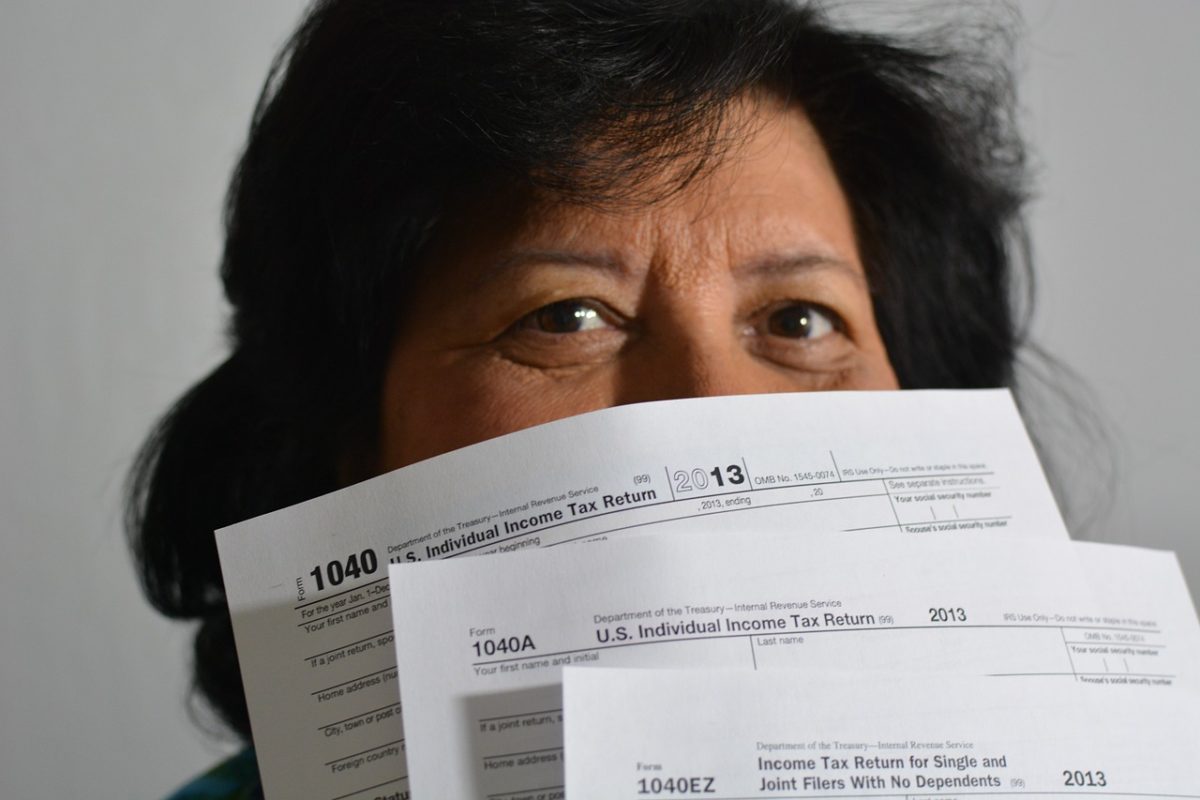
Missing the tax filing deadline can be stressful, but it’s not the end of the world. Whether you forgot, ran out of time, or encountered unexpected challenges, there are steps you can take to minimize penalties and get back on track. Here’s what you need to know if you didn’t file your tax return by the deadline.

1. Don’t Wait Any Longer

The worst thing you can do after missing the deadline is continue to delay. The longer you wait to file, the more penalties and interest you may owe. Even if you can’t pay your full tax bill right now, filing as soon as possible helps limit the damage.

2. File Your Return Immediately

If you’re owed a refund, there’s no penalty for filing late—but you must file within three years to claim it. If you owe taxes, the IRS will begin charging penalties and interest after the due date. Filing your return now, even if it’s late, shows the IRS that you’re taking steps to resolve the issue.

3. Understand the Penalties

There are two main penalties for missing the tax deadline:

  • Failure-to-File Penalty: This is typically 5% of the unpaid taxes for each month your return is late, up to a maximum of 25%.
  • Failure-to-Pay Penalty: This is 0.5% of your unpaid taxes for each month you fail to pay, also up to 25%.

If both apply in the same month, the failure-to-file penalty is reduced by the failure-to-pay penalty amount.

4. Pay What You Can

Even if you can’t pay the full amount you owe, pay as much as possible when you file. This will reduce the amount of interest and penalties that accumulate over time. The IRS offers various payment plans, including short-term and long-term options, to help taxpayers settle their balances.

5. File for an Extension (If You Qualify)

Unfortunately, you can’t retroactively file for an extension after the deadline has passed. However, if there were exceptional circumstances—such as a natural disaster or serious illness—you may qualify for penalty relief. A CPA can help you determine if you’re eligible and assist with the proper documentation.

6. Watch Out for Scams

If you’ve missed the deadline, you may be feeling pressure to resolve your tax situation quickly. Be cautious of fraudulent “tax relief” companies that promise to settle your tax debt for pennies on the dollar. Always work with a reputable CPA or tax professional who can guide you through the process safely and accurately.

7. Plan Ahead for Next Year

Missing a deadline can be a wake-up call. Start organizing your tax documents early, track your income and expenses throughout the year, and consult with a CPA well before tax season arrives. Proactive planning can help you avoid the same stress next year.

Need Help Catching Up?

If you’ve missed the tax deadline, our team is here to help you file late returns, minimize penalties, and create a plan to move forward. We understand that life happens—and we’re here to provide judgment-free, professional guidance every step of the way.

Contact us today to get started and regain control of your tax situation.

Read more
Tax Filing

Last-Minute Tax Filing Tips for Procrastinators

The tax filing deadline is quickly approaching, and if you’ve been putting off the inevitable, you’re not alone. Every year, thousands of individuals and business owners find themselves scrambling to file their taxes just days—or even hours—before the deadline. The good news? It’s not too late to get organized and file on time. Here are some last-minute tax filing tips from our team of CPAs to help you meet the deadline and avoid unnecessary penalties.

1. Gather All Necessary Documents

Start by collecting all your income documents, including W-2s, 1099s, investment statements, and any records of other earnings. You’ll also want to gather receipts for deductible expenses, mortgage interest statements, and proof of charitable contributions. Having everything in one place reduces errors and saves time.

2. Double-Check Personal Information

A common and easily avoidable mistake is submitting incorrect personal information. Ensure that your name, Social Security number, and banking details are accurate. If you’re claiming dependents, make sure their information is correct and hasn’t already been used on someone else’s return.

3. File Electronically for Speed and Accuracy

E-filing is the fastest and most accurate way to file your taxes, especially when you’re in a rush. Most reputable tax software includes built-in error checks that help catch mistakes before you submit. Plus, you’ll receive a quicker confirmation from the IRS, and if you’re owed a refund, it’ll be processed faster with direct deposit.

4. Consider Filing for an Extension

If you know you won’t make the deadline, consider filing for an automatic extension using IRS Form 4868. This gives you an additional six months to submit your return, but it’s important to note that it doesn’t give you more time to pay any taxes owed. You must still estimate and pay your tax liability by the April deadline to avoid penalties and interest.

5. Don’t Guess Your Numbers

In a rush, it can be tempting to estimate income or deductions. Avoid this. Guessing can trigger audits, delays, or fines. If you’re missing documentation, do your best to retrieve it or consult a CPA who can help you navigate missing forms and suggest appropriate next steps.

6. Review Before Submitting

Even if you’re on a tight timeline, take a few minutes to review your return for any missed deductions or errors. Typos, incorrect calculations, and overlooked credits can cost you money or cause delays in processing. A second set of eyes, especially from a CPA, can make a big difference.

7. Don’t Forget State Taxes

While focusing on federal taxes, many filers forget that their state may have its own deadline and filing requirements. Make sure you check your state’s tax website or speak with a tax professional to ensure you’re compliant on all fronts.

Let a CPA Help You Cross the Finish Line

When time is limited, having a certified public accountant on your side can make all the difference. We can help you file quickly, accurately, and efficiently—giving you peace of mind and minimizing your stress.

If you’re feeling overwhelmed as the deadline looms, reach out to our team today. Whether you’re filing for yourself or for your business, we’re here to help make tax season less taxing.

Read more
Business Graph

The Role of CPAs in Business Valuation: Why It Matters

Understanding the value of a business is crucial for owners, investors, and stakeholders. Whether you’re planning to sell your business, attract investors, or navigate a legal dispute, an accurate business valuation is essential. This is where a Certified Public Accountant (CPA) plays a vital role.

At Peavy and Associates, our CPAs bring financial expertise and industry knowledge to provide precise business valuations. In this blog, we’ll explore the importance of business valuation, the role of a CPA in the process, and how it can impact your financial decisions.

1. What is Business Valuation?

Business valuation is the process of determining the economic worth of a business or company unit. It involves analyzing financial statements, assets, liabilities, market conditions, and future earning potential.

A proper business valuation is essential for:

Selling or acquiring a business
✅ Mergers and acquisitions
✅ Securing financing or investment
✅ Estate and succession planning
✅ Tax and legal compliance

2. Why Business Valuation Matters

A well-supported business valuation helps businesses make informed decisions in critical situations. It is often required for:

✅ Business Sales & Acquisitions

If you’re selling your business, an accurate valuation ensures you receive a fair market price. Buyers, on the other hand, rely on valuations to determine whether an acquisition is a good investment.

✅ Securing Loans & Investments

Banks and investors often require a formal business valuation before offering loans or investment capital. A CPA-backed valuation provides credibility and transparency to lenders and potential investors.

Mergers & Partnerships

When two companies merge or a new partner joins a business, a valuation is necessary to determine ownership percentages and share values. This prevents disputes and ensures fair negotiations.

✅ Tax & Estate Planning

Business valuations play a key role in estate planning, gift taxes, and succession planning. The IRS often requires an independent valuation to determine tax obligations on business assets.

✅ Litigation & Divorce Settlements

In cases of divorce, shareholder disputes, or lawsuits, business valuations provide an objective financial assessment that courts and attorneys use to settle claims.

3. The CPA’s Role in Business Valuation

A Certified Public Accountant (CPA) brings financial expertise, industry experience, and regulatory knowledge to the valuation process. Here’s how CPAs add value:

📊 Financial Statement Analysis

CPAs review balance sheets, income statements, and cash flow reports to assess a company’s financial health. They adjust for non-recurring expenses, depreciation, and tax liabilities to provide a clearer picture of true earnings.

📉 Risk Assessment & Market Analysis

Business value depends on industry trends, market competition, and economic conditions. CPAs analyze risk factors, competitive advantages, and growth potential to determine the most realistic valuation.

⚖️ Compliance with Valuation Standards

CPAs follow recognized valuation standards such as:

  • The Uniform Standards of Professional Appraisal Practice (USPAP)
  • The American Institute of CPAs (AICPA) Business Valuation Standards

These frameworks ensure accuracy, credibility, and compliance with tax and legal requirements.

📌 Selecting the Right Valuation Method

CPAs use different valuation methods depending on the business structure and purpose of the valuation:

Valuation Method

How It Works Best For
Market Approach Compares the business to similar companies recently sold Business sales & acquisitions
Income Approach Estimates future earnings and discounts them to present value Businesses with strong revenue streams
Asset-Based Approach Values business based on total assets minus liabilities Companies with significant physical assets

A CPA determines the best approach based on the business model, industry, and financial position.

4. Why Work with a CPA for Business Valuation?

Hiring a CPA for business valuation ensures accuracy, objectivity, and compliance. Here’s why it matters:

✅ Objectivity & Credibility

CPAs provide unbiased, data-driven valuations that buyers, investors, and courts trust. A CPA’s assessment carries more weight than informal valuations.

✅ Experience with Financial Regulations

CPAs understand tax laws, financial reporting standards, and IRS requirements, ensuring valuations meet regulatory guidelines.

✅ Expert Negotiation Support

During business sales, mergers, or legal disputes, CPAs provide valuation reports that help clients negotiate fair deals and avoid financial pitfalls.

✅ Maximized Value for Owners

A CPA can help identify ways to enhance business value before selling or seeking investors. This includes optimizing cash flow, reducing unnecessary expenses, and improving asset management.

5. How Peavy and Associates Can Help

At Peavy and Associates, we provide accurate, industry-specific business valuations tailored to your needs. Whether you’re selling your business, preparing for succession, or securing financing, our CPAs ensure you receive a reliable valuation backed by financial expertise.

📞 Call us today for a business valuation consultation and ensure your company’s financial future is secure!

Read more
tax coins

Understanding South Carolina’s Sales Tax Regulations

Sales tax regulations can be complex, and as a business owner in South Carolina, understanding your tax obligations is crucial for compliance and avoiding costly penalties. Whether you’re selling products online or operating a brick-and-mortar store, knowing how sales tax works in South Carolina will help you manage your finances effectively.

At Peavy and Associates, we specialize in guiding businesses through the complexities of South Carolina’s tax system. In this blog, we’ll break down everything you need to know about South Carolina’s sales tax regulations for 2025.

1. What is South Carolina’s Sales Tax Rate?

South Carolina has a statewide base sales tax rate of 6%. However, local counties and municipalities can impose additional local option sales taxes, bringing the total sales tax rate up to 9% in some areas.

How to Determine the Correct Rate:

  • The South Carolina Department of Revenue (SCDOR) provides an updated list of county sales tax rates (SCDOR Website).
  • If you operate in multiple locations, you must apply the correct rate for each county.

2. What is Subject to Sales Tax?

Most tangible personal property sold in South Carolina is subject to sales tax. This includes:
✅ Clothing
✅ Electronics
✅ Furniture
✅ Vehicles
✅ Prepared food and beverages

Exemptions from Sales Tax

  • Some goods and services are exempt from sales tax in South Carolina, including:Prescription medications and medical devices
  • Unprepared groceries (exempt from the state’s 6% sales tax but may still be subject to local sales taxes)
  • Wholesale sales (goods sold for resale)
  • Certain agricultural supplies and equipment

Pro Tip: If you sell tax-exempt goods, keep proper documentation to support the exemption in case of an audit.

3. Sales Tax on Services: What’s Taxable?

Unlike many other states, most services are NOT subject to sales tax in South Carolina. However, there are some exceptions, including:

  • Lodging services (hotels and short-term rentals)
  • Dry cleaning and laundry services
  • Communications services (cable, satellite TV, and phone services)
  • Repair services for taxable items (e.g., car repairs, appliance repairs)

If your business provides both goods and services, you may need to charge sales tax on the tangible portion of the sale (e.g., if you sell a computer and offer installation services, the computer is taxable, but the installation may not be).

4. Do Online Businesses Need to Collect Sales Tax?

Yes! South Carolina requires remote sellers, marketplace facilitators, and online businesses to collect and remit sales tax if they meet economic nexus thresholds.

Economic Nexus Threshold

Your business is required to collect sales tax in South Carolina if, in the previous or current calendar year, you:
📌 Had $100,000 or more in gross sales to South Carolina customers OR
📌 Conducted 200 or more separate sales transactions in South Carolina

This applies to Amazon, eBay, Shopify, and Etsy sellers, as well as other e-commerce businesses.

Tip: If you meet these thresholds, register for a South Carolina sales tax permit through the South Carolina Department of Revenue (SCDOR) website.

5. How to Register for a Sales Tax Permit

If your business is required to collect sales tax, you must register for a sales tax license before making taxable sales.

Steps to Register:

  1. Go to the South Carolina Department of Revenue (SCDOR) website (dor.sc.gov).
  2. Apply online through the MyDORWAY portal to receive your South Carolina Sales Tax License.
  3. Display your sales tax license at your place of business.
  4. Start collecting and remitting sales tax as required by state law.

There is a one-time registration fee of $50 when applying for a sales tax license.

6. Filing and Remitting Sales Tax in South Carolina

Once you start collecting sales tax, you must file returns and remit the collected tax to the SCDOR.

Filing Frequency

Your filing frequency depends on the amount of sales tax you collect:

  • Monthly: If you collect $100 or more per month in sales tax
  • Quarterly: If you collect less than $100 per month
  • Annually: If your total sales tax liability is less than $100 per year

How to File Sales Tax Returns

Sales tax returns must be filed electronically through the MyDORWAY online portal.

📌 Due Date: Sales tax returns are due on the 20th of the following month.
For example, sales tax collected in March 2025 must be reported and remitted by April 20, 2025.

7. Penalties for Late or Incorrect Sales Tax Filings

Failure to file or pay sales tax on time can result in penalties and interest charges.

  • Late Filing Penalty: 5% per month (up to a maximum of 25%)
  • Late Payment Penalty: 0.5% per month (up to a maximum of 25%)
  • Interest: Accrues daily on unpaid balances

To avoid penalties:

Set up automatic reminders for sales tax deadlines.
Double-check tax rates and exemptions to avoid under-collecting or over-collecting.
Keep accurate sales records in case of an audit.

8. Are There Any Sales Tax Incentives for Businesses?

Yes! South Carolina offers several sales tax exemptions and incentives for businesses:
Sales Tax Exemptions for Manufacturers
Manufacturers can apply for exemptions on raw materials, industrial equipment, and energy use.

Retailer’s Discount

Businesses that file and pay sales tax on time can claim a discount of 3% on their tax liability (up to $3,000 per year).

Enterprise Zone Sales Tax Exemptions

Businesses located in designated enterprise zones may qualify for sales tax exemptions on equipment and materials.

Final Thoughts: Stay Compliant and Save Money

Understanding South Carolina’s sales tax regulations is essential for businesses to remain compliant and avoid penalties. By properly collecting, reporting, and filing sales tax, you can protect your business while maximizing available tax incentives.

At Peavy and Associates, we specialize in South Carolina sales tax compliance and planning. If you need help registering for a sales tax permit, filing returns, or managing audits, contact us today!

Read more

Maximizing Tax Benefits for South Carolina Small Businesses

Running a small business in South Carolina comes with many challenges, but understanding the tax benefits available can help you save money and invest in growth. Whether you’re a startup or an established company, taking advantage of deductions, credits, and incentives can significantly impact your bottom line.
At Peavy and Associates, we specialize in helping small businesses navigate the complex tax landscape to maximize savings. Here’s a guide to key tax benefits available for South Carolina small businesses in 2025.
1. South Carolina Small Business Tax Rate
South Carolina offers a favorable tax environment for small businesses. The state’s corporate income tax rate is a flat 5%, while pass-through entities (LLCs, S-corps, and partnerships) are taxed at the individual income tax rate, which has been reduced to 6.2% in 2025 as part of ongoing tax reform efforts.

How to Benefit:

  • Structure your business appropriately to take advantage of lower tax rates.
  • Work with a CPA to determine whether electing S-corp status could reduce your tax liability.

2. Qualified Business Income (QBI) Deduction
Small businesses structured as sole proprietorships, S-corps, partnerships, or LLCs may be eligible for the 20% Qualified Business Income (QBI) deduction under federal tax law. This deduction allows you to reduce taxable income, resulting in significant savings.

How to Benefit:

  • Ensure your business qualifies by meeting income and operational requirements.
  • Consult with a tax professional to maximize your deduction before filing.

3. South Carolina Jobs Tax Credit
To encourage job creation, South Carolina offers tax credits for businesses that create new jobs. The credit amount varies depending on location and industry, with higher incentives available in rural and economically distressed areas.

How to Benefit:

  • If you’re expanding your workforce, check if your county qualifies for enhanced credits.
  • The credit can be carried forward for up to 15 years, so plan strategically for long-term tax savings.

4. Research and Development (R&D) Tax Credit

Businesses investing in research and innovation can claim the South Carolina R&D tax credit, which is equal to 5% of qualified R&D expenses. This credit can offset up to 50% of your business’s state tax liability.

How to Benefit:

  • If your business develops new products, software, or processes, you may qualify.
  • Keep detailed records of expenses related to research, employee wages, and materials.

5. South Carolina Manufacturer’s Tax Exemptions
If your small business is in manufacturing, processing, or production, you may qualify for sales tax exemptions on machinery, raw materials, and industrial equipment.

How to Benefit:

  • Review the South Carolina sales tax exemption list to see if your purchases qualify.
  • Consider reinvesting tax savings into equipment upgrades or business expansion.

6. Section 179 Deduction for Equipment Purchases

  • The Section 179 deduction allows businesses to deduct the full cost of qualifying equipment and technology purchases upfront instead of depreciating them over time. In 2025, the deduction limit is $1.16 million.

How to Benefit:

  • If you’re purchasing new business equipment, claim the deduction in the same year to reduce taxable income.
  • Qualifying items include office furniture, machinery, and vehicles used for business purposes.

7. Work Opportunity Tax Credit (WOTC)

If you hire employees from certain target groups (such as veterans, ex-felons, or individuals receiving government assistance), your business may qualify for the Work Opportunity Tax Credit (WOTC), which provides up to $9,600 per eligible employee in tax credits.

How to Benefit:

  • Check eligibility before hiring to take advantage of the credit.
  • Submit Form 8850 to the South Carolina Department of Employment and Workforce within 28 days of hiring a qualifying employee

8. Home Office Deduction

If you operate your business from home, you can claim a home office deduction for expenses such as rent, utilities, and maintenance. The IRS allows two methods: the simplified option (up to $1,500) or the actual expense method (based on square footage used for business).

How to Benefit:

  • Ensure your home office is used exclusively for business to qualify.
  • Keep records of expenses related to maintaining your workspace.

9. Health Insurance Tax Credit

If you provide health insurance for your employees, you may qualify for the Small Business Health Care Tax Credit, covering up to 50% of premium costs. This applies to businesses with fewer than 25 full-time employees and an average wage of $50,000 or less.

How to Benefit:

  • Work with a CPA to determine if your business meets the requirements.
  • Consider offering health benefits as an incentive to attract and retain employees.

10. Energy Efficiency Incentives

South Carolina provides tax credits and rebates for businesses that invest in energy-efficient upgrades, such as solar panels, LED lighting, and energy-efficient HVAC systems.

How to Benefit:

  • Check for state and federal incentives before making upgrades.
  • The federal Investment Tax Credit (ITC) offers a 30% credit for solar energy installations.

Maximize Your Tax Savings with Peavy and Associates

Navigating South Carolina’s tax landscape can be complex, but taking advantage of these tax benefits can reduce your tax liability and increase profitability. At Peavy and Associates, our experienced CPAs can help you identify deductions, credits, and incentives tailored to your business.
Don’t leave money on the table—contact us today for expert tax planning and financial guidance!

Read more
income tax

Navigating South Carolina’s Tax Landscape: Key Deadlines and Updates for 2025

Navigating South Carolina’s tax landscape in 2025 requires awareness of key deadlines and recent legislative updates. Staying informed ensures compliance and maximizes potential benefits.

Key Tax Deadlines for 2025

  • Individual Income Tax Returns: Typically due by April 15, 2025. However, due to the aftermath of Hurricane Helene, the IRS and South Carolina Department of Revenue have extended the filing deadline to May 1, 2025, for affected taxpayers.
    IRS
  • Estimated Tax Payments: Quarterly estimated tax payments for individuals are due on the following dates:
  1. April 15, 2025
  2.  June 15, 2025
  3. September 15, 2025
  4. January 15, 2026
  • The May 1, 2025, extension also applies to the estimated tax payment originally due on April 15, 2025.
    IRS
  • Corporate Tax Returns: Corporations operating on a calendar year must file their South Carolina corporate tax returns by April 15, 2025. Fiscal-year filers should adhere to the 15th day of the fourth month following the end of their fiscal year.

Recent Legislative Updates

  • Income Tax Rate Reduction: As part of the fiscal year 2025 budget, South Carolina reduced its top marginal individual income tax rate from 6.5% to 6.2%, effective January 1, 2025. This reduction is a step toward the state’s goal of lowering the top rate to 6% in the coming years.
    taxfoundation.org
  • Proposed Elimination of Individual Income Tax: House Bill 3125 proposes eliminating the individual income tax in South Carolina. If enacted, this would significantly alter the state’s tax structure. Taxpayers should monitor the progress of this bill for potential impacts.
    scstatehouse.gov
  • Property Tax Relief for Seniors: House Bill 3424, known as the South Carolina Property Tax Relief for Seniors Act, proposes increasing the property tax exemption for seniors, disabled individuals, and the legally blind from the first $50,000 to the first $1 million of their home’s market value. This substantial increase aims to provide significant relief to eligible homeowners.
    scpolicycouncil.org

Recommendations for Taxpayers

  1. Stay Informed: Regularly consult the South Carolina Department of Revenue and IRS websites for updates on tax laws and deadlines.
  2. Plan Ahead: Mark your calendar with all relevant tax deadlines to ensure timely filing and payment.
  3. Consider Professional Assistance: Engage a certified public accountant (CPA) or tax professional to navigate complex tax situations and legislative changes.

By keeping abreast of these deadlines and legislative updates, South Carolina taxpayers can effectively manage their tax obligations in 2025.

Read more
accounting

Utilize Technology: Tools to Simplify Your Accounting Processes

​In today’s fast-paced business environment, leveraging technology to streamline your accounting processes is not just beneficial; it is essential. As businesses prepare for crucial periods like getting ready for accounting and tax season, utilizing the right tools can significantly reduce stress and enhance efficiency. Modern accounting software offers a range of features designed to automate repetitive tasks, manage invoices, and even handle payroll, allowing business owners to focus on more strategic aspects of their operations.

One of the standout tools available is cloud-based accounting software. This technology enables real-time access to financial information, facilitating collaboration among team members, regardless of their physical location. Users can easily track income, expenses, and financial performance with just a few clicks. Additionally, many platforms come with mobile applications that allow for on-the-go updates, ensuring that records are always current—a crucial advantage when deadlines loom during tax season.

For those who find budgeting and forecasting daunting, specialized tools can aid in forming accurate financial projections. These tools analyze historical data and market trends to help businesses make informed decisions, ultimately supporting long-term financial health. Integrating these systems can assist not only in preparing for tax season but in maintaining a clear financial overview throughout the entire year.

Moreover, the importance of cybersecurity cannot be overlooked when it comes to managing sensitive financial data. Many accounting software solutions prioritize data security, employing advanced encryption techniques to protect valuable information. This peace of mind is essential as businesses get ready for accounting and tax season, knowing that their financial records are secure while they navigate the complexities of taxation and compliance. By embracing these technological advancements, businesses can effectively simplify their accounting processes and lay the groundwork for financial success.

Read more

Stay Updated on Tax Laws: What You Need to Know for the Current Year

​As the year draws to a close, it’s essential for individuals and businesses alike to stay informed about the latest tax laws and regulations. Changes in tax legislation can significantly influence your financial plans and obligations, which is why getting ready for accounting and tax season should involve a comprehensive review of any updates that might affect your filings. From new deductions to credits that could benefit you, understanding these adjustments can help ensure you’re maximizing your tax efficiency while remaining compliant with the law.

One of the primary elements to focus on is any new tax legislation passed during the year. For example, adjustments to standard deductions, tax rates, or certain credits can have a considerable impact on your tax liability. Keeping abreast of these changes ensures you’re not leaving money on the table, whether as an individual or a business entity. Moreover, various tax relief measures may have been introduced in response to current economic conditions, offering potential benefits that you might qualify for.

Additionally, it’s crucial to be aware of updated deadlines and filing procedures. The IRS and state tax authorities occasionally modify submission timelines or requirements, which can affect your overall tax planning strategy. Staying updated on these aspects will help you avoid penalties or unnecessary rush as the filing dates approach. Engaging with a tax professional can also provide tailored guidance and insights based on your unique financial situation, ensuring that you’re making informed decisions as you prepare for the upcoming season.

Lastly, as you gear up for accounting and tax season, make it a point to organize your records early. Having all your documents in order will not only streamline the filing process but also reduce stress as deadlines loom closer. Consider utilizing tools and software designed for tax purposes to help track income, expenses, and any relevant deductions throughout the year. By taking proactive steps to stay informed about tax laws and preparing in advance, you can navigate the complexities of the tax landscape with confidence and ease.

Read more

Organize Your Financial Documents: The Key to Efficiency

​Organizing your financial documents is not just a task to check off your to-do list; it’s a crucial step toward achieving greater efficiency in managing your personal finances. As we approach the busy period of getting ready for accounting and tax season, having your records in order can save you time and stress. A cluttered financial landscape can lead to missed deductions, overlooked receipts, and ultimately, an inflated tax bill. By creating a streamlined system for your financial documents, you can ensure that everything you need is within arm’s reach when tax time arrives.

Start by categorizing your documents into specific groups: income statements, receipts, bank statements, and tax documents. Use folders—either physical or digital—to keep similar items together. For example, you might have a dedicated folder for each month that contains all relevant financial transactions and records. Digital solutions like scanned copies of receipts can also provide easy access while minimizing paper clutter. Consider implementing consistent labeling practices so that you can quickly identify what you’re looking for each time you need to reference a document.

Another smart strategy is to set aside time regularly to review and update your financial records, rather than waiting until crunch time. This could mean dedicating a few hours each month to sort through new documents and ensure they’re in the right place. By making this a routine part of your monthly activities, you can alleviate the overwhelming feeling that often accompanies financial prep during tax season. Additionally, employing financial management software can help you keep track of your income, expenses, and taxes in real time, aiding in both understanding and organization.

Ultimately, an organized approach to your financial documentation pays off significantly in terms of efficiency and peace of mind. When the inevitable tax season rolls around, you’ll find that you can complete your accounting tasks with greater confidence and accuracy. By investing the time to set up an effective document organization system now, you’ll not only simplify your tax preparation but also empower yourself to make informed financial decisions throughout the year. Embrace this proactive approach to managing your finances, and you’ll likely reap the rewards for seasons to come.

Read more

Start Early: Setting the Foundation for a Smooth Tax Season

As the end of the year approaches, individuals and businesses alike begin to think about their financial standing, which inevitably leads to thoughts of tax season. Starting early is essential for setting a strong foundation for a smooth tax season. By being proactive in organizing financial documents, tracking expenses, and reviewing potential deductions throughout the year, you can significantly reduce stress when tax time arrives. Getting ready for accounting and tax season means you won’t be scrambling at the last minute, allowing you to make informed decisions about your finances and minimize potential pitfalls.

One of the most effective strategies for easing into tax season is to maintain accurate financial records throughout the year. This involves keeping receipts, invoices, and statement logs readily accessible, which can streamline the accounting process significantly. Digital tools and apps can assist in tracking expenses in real-time, allowing you to categorize them effectively. This preparation not only pays off when it’s time to file your taxes but also offers a clearer picture of your financial health, making it easier to identify any areas for improvement or growth.

Moreover, taking the time to understand the latest tax regulations and potential changes can work wonders in optimizing your tax strategy. The tax code is often subject to revisions, and being informed about these adjustments provides you with the opportunity to adapt your approach accordingly. Consulting with a tax professional can also be invaluable; their expertise can guide you through the complexities of tax laws, ensuring that you’re not missing out on any deductions or credits that could benefit you. This collaboration can lead to significant savings that would be missed if one were to wait until the eve of tax season.

Ultimately, the mantra of starting early cannot be overstated when it comes to taxes. Setting the stage now by organizing finances, staying informed, and consulting with experts will lead to a smoother, less stressful experience come tax season. By embracing this proactive approach, you’ll be able to navigate your tax obligations with a clear mind, freeing you up to focus on other important aspects of your financial wellness. In the end, taking these simple, deliberate steps can transform the chaos of tax season into a manageable process, allowing you to enter the new year with confidence.

Read more